The Light of the East: Illuminating the Principles of Orthodox Christianity
The Light of the East: Illuminating the Principles of Orthodox Christianity
For centuries, Orthodox Christianity has been a beacon of spiritual guidance, offering a profound understanding of the divine and the human condition. As one of the oldest and most enduring Christian traditions, Orthodoxy has maintained its distinctive character, shaped by a rich cultural and theological heritage. In this article, we will delve into the principles of Orthodox Christianity, exploring its history, theology, and practices, to shed light on the enduring significance of this ancient faith.
A Brief History of Orthodox Christianity
Orthodox Christianity has its roots in the early Christian Church, with the apostles and their successors playing a crucial role in shaping the faith. The Orthodox Church emerged as a distinct entity in the 11th century, following the Great Schism of 1054, which separated the Eastern (Orthodox) and Western (Catholic) branches of Christianity. Over the centuries, Orthodoxy has developed a unique identity, influenced by the cultural and theological traditions of the Eastern Mediterranean.
Theology and Doctrine
At the heart of Orthodox Christianity lies a profound understanding of God and humanity. Orthodox theology emphasizes the importance of the Holy Trinity, comprising the Father, Son, and Holy Spirit, as a single, undivided Godhead. This doctrine is central to Orthodox worship and devotion, with the Trinity being revered as the ultimate source of love, wisdom, and salvation.
Orthodox Christianity also affirms the importance of the Incarnation, where God became human in Jesus Christ, to redeem humanity from sin and death. The Orthodox Church teaches that Christ is fully divine and fully human, a doctrine that underscores the paradoxical nature of human existence, caught between the material and spiritual realms.
The Sacraments and Worship
In Orthodox Christianity, worship and sacramental life are intertwined, providing a means of communing with God and experiencing divine grace. The seven sacraments, including baptism, chrismation, and the Eucharist, are considered essential for spiritual growth and salvation. The Divine Liturgy, a majestic and symbolic worship service, is the centerpiece of Orthodox worship, where the faithful gather to participate in the sacraments, hymns, and prayers.
The Role of Tradition and Scripture
Orthodox Christianity places great emphasis on the importance of tradition, which is understood as the living, breathing transmission of the apostolic faith. The Scriptures, both Old and New Testaments, are revered as the inspired word of God, while the writings of the early Church Fathers and the decisions of the Ecumenical Councils are also considered authoritative. This synthesis of Scripture and tradition provides a rich and nuanced understanding of the Christian faith, guiding the Orthodox Church in its teachings and practices.
The Significance of Icons and Veneration
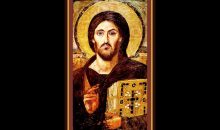
In Orthodox Christianity, icons play a vital role in worship and devotion, serving as windows into the spiritual realm. These sacred images, often depicting Christ, the Virgin Mary, and the saints, are not merely decorative but are believed to convey the presence of the divine. The veneration of icons is an integral part of Orthodox piety, allowing the faithful to express their reverence and gratitude for the saints and the divine.
The Orthodox Way of Life
Orthodox Christianity is not merely a set of doctrines or rituals but a way of life, shaped by the principles of humility, compassion, and self-sacrifice. The Orthodox Church teaches that the Christian life is a journey of spiritual transformation, where the individual seeks to cultivate virtues such as love, forgiveness, and mercy. This emphasis on personal holiness and the pursuit of spiritual growth is reflected in the Orthodox Church’s emphasis on prayer, fasting, and almsgiving.
Conclusion
The Light of the East, Orthodox Christianity, offers a profound and enduring spiritual tradition, illuminating the principles of faith, worship, and practice. By exploring the history, theology, and practices of Orthodoxy, we gain a deeper understanding of the Christian faith and its significance in the modern world. As a beacon of hope and guidance, Orthodox Christianity continues to inspire and nourish the spiritual lives of millions, inviting all to experience the transformative power of the Gospel and the beauty of the divine.
In an age marked by uncertainty and fragmentation, the Orthodox Church remains a testament to the enduring power of faith and tradition, reminding us that the light of Christ continues to shine brightly, guiding humanity towards the path of salvation and redemption.