The Role of Tradition in Shaping Orthodox Theology: A Historical Perspective
The Role of Tradition in Shaping Orthodox Theology: A Historical Perspective
Orthodox theology, which encompasses the teachings and practices of the Eastern Orthodox Church, has been shaped by a rich and complex tradition that spans over two millennia. At the heart of this tradition lies the concept of Holy Tradition, which refers to the continuous transmission of the faith, practices, and teachings of the early Christian Church. In this article, we will explore the historical development of Orthodox theology and the crucial role that tradition has played in shaping its doctrine, worship, and practices.
Early Christianity and the Apostolic Era
The origins of Orthodox theology can be traced back to the apostolic era, when Jesus Christ entrusted his teachings to his twelve apostles. The apostles, in turn, passed on the faith to their disciples, who became the leaders of the early Christian communities. This process of transmission, known as apostolic succession, ensured that the teachings and practices of the early Church were preserved and handed down to subsequent generations.
During the apostolic era, the Church was guided by the Holy Spirit, who inspired the apostles to write the New Testament scriptures and to establish the basic structures of the Church. The apostles also established the office of bishop, which became the central authority in the early Church. The bishops, in turn, were responsible for preserving and transmitting the teachings of the apostles, as well as for guiding the spiritual lives of the faithful.
The Patristic Era and the Development of Orthodox Theology
The patristic era, which spanned from the 2nd to the 8th centuries, was a period of significant growth and development for the Orthodox Church. During this time, the Church faced numerous challenges and controversies, including the rise of heresies and the pressures of imperial persecution. In response to these challenges, the early Church Fathers, such as St. Ignatius of Antioch, St. Irenaeus of Lyons, and St. Athanasius of Alexandria, developed a rich theological tradition that emphasized the importance of apostolic succession, the authority of scripture, and the role of tradition in shaping the Church’s teachings.
The Church Fathers also played a crucial role in defining the boundaries of Orthodox theology, particularly in relation to the nature of Christ and the Trinity. The councils of Nicaea (325 AD) and Constantinople (381 AD) marked significant milestones in the development of Orthodox theology, as they established the doctrine of the Trinity and the divinity of Christ. These councils, which were attended by representatives from throughout the Christian world, demonstrated the importance of conciliarity and the role of tradition in shaping the Church’s teachings.
The Medieval Period and the Schism with Rome
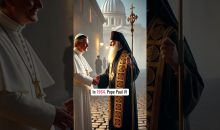
The medieval period, which spanned from the 9th to the 15th centuries, was marked by significant turmoil and division within the Christian world. The Great Schism of 1054 AD, which resulted in the separation of the Eastern and Western Churches, had a profound impact on the development of Orthodox theology. The schism was precipitated by a range of factors, including disagreements over papal authority, the filioque clause, and the use of unleavened bread in the Eucharist.
In response to the schism, the Orthodox Church underwent a period of significant theological and liturgical development. The works of theologians such as St. Gregory Palamas and St. Symeon the New Theologian emphasized the importance of mysticism, asceticism, and theosis (deification) in Orthodox spirituality. The Orthodox Church also developed a distinctive liturgical tradition, which emphasized the importance of sacraments, icons, and the veneration of saints.
The Modern Era and the Challenge of Modernity
The modern era, which spans from the 16th century to the present day, has presented significant challenges to Orthodox theology. The rise of Protestantism, the Enlightenment, and modernism have all posed significant questions about the nature of authority, tradition, and the role of the Church in the modern world.
In response to these challenges, Orthodox theologians such as St. Philaret of Moscow and St. Justin Popovic have emphasized the importance of tradition and the need for the Church to engage with the modern world. The Orthodox Church has also undergone a significant renewal, with the emergence of new monastic movements, theological schools, and missionary initiatives.
Conclusion
The role of tradition in shaping Orthodox theology has been profound and far-reaching. From the apostolic era to the present day, tradition has played a crucial role in preserving the teachings and practices of the early Church, while also guiding the development of Orthodox doctrine and worship.
As the Orthodox Church continues to navigate the challenges of the modern world, it is clear that tradition will remain a vital component of its theology and practice. By embracing its rich and complex tradition, the Orthodox Church can continue to bear witness to the Gospel of Jesus Christ, while also engaging with the needs and challenges of the modern world.
Key Principles of Orthodox Tradition
- Apostolic Succession: The Orthodox Church believes in the importance of apostolic succession, which ensures that the teachings and practices of the early Church are preserved and handed down to subsequent generations.
- Scripture and Tradition: The Orthodox Church affirms the authority of scripture, while also recognizing the importance of tradition in shaping its teachings and practices.
- Conciliarity: The Orthodox Church emphasizes the importance of conciliarity, which involves the gathering of bishops and representatives from throughout the Christian world to define the boundaries of Orthodox theology.
- Mysticism and Asceticism: The Orthodox Church has a rich tradition of mysticism and asceticism, which emphasizes the importance of spiritual purification, contemplation, and theosis (deification).
- Liturgical Worship: The Orthodox Church has a distinctive liturgical tradition, which emphasizes the importance of sacraments, icons, and the veneration of saints.
By embracing these key principles, the Orthodox Church can continue to bear witness to the Gospel of Jesus Christ, while also engaging with the needs and challenges of the modern world.