The Ancient Faith: Exploring the Timeless Traditions of the Orthodox Church
The Ancient Faith: Exploring the Timeless Traditions of the Orthodox Church
The Orthodox Church, with its rich history and traditions, is one of the oldest and most enduring Christian denominations in the world. Founded on the teachings of Jesus Christ and the apostles, the Orthodox Church has preserved the ancient faith, unchanged and unbroken, for centuries. In this article, we will delve into the timeless traditions of the Orthodox Church, exploring its history, theology, and practices that have been a source of comfort, guidance, and inspiration to millions of believers around the world.
A Brief History of the Orthodox Church
The Orthodox Church has its roots in the early Christian communities of the Eastern Mediterranean, where the apostles preached and established the first churches. After the death and resurrection of Jesus Christ, the apostles spread the Gospel message to the world, establishing churches in various regions. The Church in the East, which would eventually become the Orthodox Church, was particularly influenced by the apostles Peter and Paul, who preached and established churches in the regions of modern-day Greece, Turkey, and the Middle East.
In the early centuries of Christianity, the Orthodox Church was an integral part of the universal Christian Church, with the bishop of Rome (the Pope) and the bishop of Constantinople (the Ecumenical Patriarch) playing important roles in the governance of the Church. However, over time, differences in theology and practice led to the Great Schism of 1054, which resulted in the separation of the Eastern (Orthodox) and Western (Roman Catholic) Churches.
Theology and Doctrine
The Orthodox Church is deeply rooted in the teachings of the Bible and the early Christian Fathers. Its theology is centered on the doctrine of the Holy Trinity, which affirms the coexistence of the Father, Son, and Holy Spirit as one God in three persons. The Orthodox Church also places great emphasis on the importance of tradition, which is seen as a living continuity with the apostles and the early Church.
One of the distinctive features of Orthodox theology is its understanding of the nature of God. The Orthodox Church affirms the mystery of God’s essence, which is considered to be beyond human comprehension. This is reflected in the iconic representation of God in Orthodox art and worship, which often depicts Christ and the saints in a symbolic and metaphorical manner.
Worship and Liturgy
The worship and liturgy of the Orthodox Church are characterized by their richness, beauty, and spirituality. The Divine Liturgy, which is the central act of worship in the Orthodox Church, is a sacramental celebration of the Eucharist, where believers partake of the body and blood of Christ. The liturgy is a vibrant expression of the Church’s worship, with chanting, singing, and the use of incense, icons, and other sacramental elements.
The Orthodox Church also places great emphasis on the importance of prayer and fasting. Believers are encouraged to engage in regular prayer, both privately and corporately, and to observe the traditional fasts and feasts of the Church, such as Lent and Easter. These spiritual disciplines are seen as a means of cultivating a deeper relationship with God and of preparing oneself for the reception of the sacraments.
Traditions and Practices
The Orthodox Church has a rich tapestry of traditions and practices that have been preserved and passed down through the centuries. Some of the most notable include:
- Iconography: The use of icons, which are sacred images of Christ, the Virgin Mary, and the saints, is a distinctive feature of Orthodox worship and devotion.
- Monasticism: The Orthodox Church has a long tradition of monasticism, where men and women dedicate their lives to prayer, study, and service.
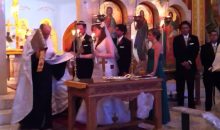
- Sacraments: The Orthodox Church recognizes seven sacraments, including baptism, chrismation, Eucharist, confession, ordination, marriage, and unction.
- Festal Cycle: The Orthodox Church observes a rich cycle of feasts and festivals, including Christmas, Easter, and the Dormition of the Theotokos (the Falling Asleep of the Virgin Mary).
Conclusion
The Orthodox Church, with its ancient faith and timeless traditions, offers a unique and profound spiritual experience to believers around the world. Its rich history, theology, and practices have been a source of comfort, guidance, and inspiration to millions, and its continued relevance and vitality in the modern world are a testament to the enduring power of the Gospel message.
As we reflect on the ancient faith of the Orthodox Church, we are reminded of the importance of preserving and passing on the traditions of our ancestors, while also embracing the challenges and opportunities of the present day. Whether you are an Orthodox Christian or simply interested in exploring the rich heritage of the Church, we invite you to join us on a journey of discovery and spiritual growth, as we delve into the timeless traditions of the Orthodox Church.