Understanding the Orthodox Christian Faith: A Comprehensive Guide
Understanding the Orthodox Christian Faith: A Comprehensive Guide
The Orthodox Christian faith is one of the oldest and largest Christian denominations in the world, with a rich history and tradition that spans over 2,000 years. With its roots in the early Christian Church, the Orthodox faith has evolved over time, shaped by the teachings of the apostles, the early Church Fathers, and the decisions of the Ecumenical Councils. In this comprehensive guide, we will delve into the history, theology, practices, and traditions of the Orthodox Christian faith, providing a deeper understanding of this ancient and vibrant Christian tradition.
History of the Orthodox Church
The Orthodox Church has its roots in the apostolic era, with the apostles Peter and Paul playing a significant role in the establishment of the early Christian community in Jerusalem. After the death of the apostles, the Church continued to grow and spread throughout the Mediterranean world, with the early Church Fathers, such as Ignatius of Antioch and Irenaeus of Lyons, contributing to the development of Orthodox theology.
The Orthodox Church emerged as a distinct denomination in the 5th century, with the Great Schism of 1054, which saw the Eastern (Orthodox) and Western (Roman Catholic) churches split over issues of doctrine, practice, and authority. The Orthodox Church continued to thrive in the East, with the Byzantine Empire playing a significant role in shaping its theology, art, and culture.
Theology and Doctrine
The Orthodox Christian faith is based on the teachings of the Bible, the traditions of the early Church, and the decisions of the Ecumenical Councils. At the heart of Orthodox theology is the doctrine of the Trinity, which affirms the existence of one God in three persons: the Father, the Son, and the Holy Spirit.
Other key doctrines of the Orthodox faith include:
- The Incarnation: The belief that Jesus Christ is fully human and fully divine, and that He became incarnate to save humanity from sin and death.
- The Resurrection: The belief that Jesus Christ rose from the dead on the third day, and that this event is the cornerstone of the Christian faith.
- The Sacraments: The Orthodox Church recognizes seven sacraments, including baptism, chrismation (confirmation), the Eucharist, confession, ordination, marriage, and unction (anointing of the sick).
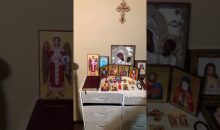
- The Veneration of Icons: The Orthodox Church venerates icons, which are images of Christ, the Virgin Mary, and the saints, as a way of expressing devotion and reverence.
Practices and Traditions
The Orthodox Christian faith is known for its rich and vibrant practices and traditions, which include:
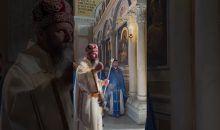
- Worship: Orthodox worship is characterized by its use of liturgy, which includes the Divine Liturgy, Vespers, and Matins.
- Fasting: The Orthodox Church observes several fasting periods throughout the year, including the Great Lent, which prepares believers for Easter.
- Prayer: Orthodox Christians emphasize the importance of prayer, both private and corporate, as a way of maintaining a close relationship with God.
- Monasticism: The Orthodox Church has a strong tradition of monasticism, with monasteries and convents playing a significant role in the spiritual life of the Church.
Distinctive Features of Orthodox Christianity
The Orthodox Christian faith has several distinctive features that set it apart from other Christian denominations, including:
- The Use of Icons: As mentioned earlier, the Orthodox Church venerates icons as a way of expressing devotion and reverence.
- The Importance of Tradition: The Orthodox Church places a high value on tradition, which is seen as a way of preserving the teachings and practices of the early Church.
- The Role of the Bishop: In the Orthodox Church, the bishop plays a significant role in the governance and spiritual life of the Church, serving as a symbol of unity and authority.
- The Emphasis on Mysticism: The Orthodox Church has a strong tradition of mysticism, with an emphasis on the inner life and the pursuit of spiritual growth and transformation.
Conclusion
In conclusion, the Orthodox Christian faith is a rich and vibrant Christian tradition that has a deep history, theology, and practice. With its emphasis on tradition, mysticism, and the sacraments, the Orthodox Church offers a unique and distinctive approach to the Christian faith. Whether you are an Orthodox Christian or simply interested in learning more about this ancient and beautiful faith, this comprehensive guide has provided a deeper understanding of the Orthodox Christian faith and its many wonders.
Further Reading
If you are interested in learning more about the Orthodox Christian faith, here are some recommended resources:
- The Bible: The Orthodox Church recognizes the Bible as the inspired word of God and the primary source of its teachings.
- The Early Church Fathers: The writings of the early Church Fathers, such as Ignatius of Antioch and Irenaeus of Lyons, provide valuable insights into the theology and practice of the early Church.
- The Ecumenical Councils: The decisions of the Ecumenical Councils, such as the Council of Nicaea and the Council of Constantinople, have shaped the doctrine and practice of the Orthodox Church.
- Orthodox Christian Literature: There are many excellent books and resources available on Orthodox Christianity, including works by authors such as Metropolitan Kallistos Ware and Bishop Hilarion Alfeyev.
We hope that this comprehensive guide has provided a deeper understanding of the Orthodox Christian faith and its many wonders. Whether you are an Orthodox Christian or simply interested in learning more about this ancient and beautiful faith, we invite you to explore the rich and vibrant traditions of the Orthodox Church.