The Forgotten Date: Why Some Orthodox Christians Don’t Celebrate Christmas on December 25th
For most Christians around the world, December 25th is a day of joy, gift-giving, and celebration, marking the birth of Jesus Christ. However, not all Christian denominations observe Christmas on this day. Some Orthodox Christians, primarily those belonging to the Eastern Orthodox Church, celebrate Christmas on January 7th. But why the discrepancy?
The reason lies in the difference between the Julian and Gregorian calendars. The Julian calendar, introduced by Julius Caesar in 45 BCE, was the standard calendar used by the Roman Empire and, subsequently, the early Christian Church. However, due to a slight miscalculation, the Julian calendar had drifted by 11 minutes per year, resulting in a discrepancy of approximately 10 days over the centuries.
The Introduction of the Gregorian Calendar
In 1582, Pope Gregory XIII introduced the Gregorian calendar, which refined the calculation of the solar year and dropped 10 days from the month of October to realign the calendar with the astronomical seasons. The new calendar was adopted by Catholic countries, but many Eastern Orthodox countries, including Russia, Greece, and Ukraine, continued to use the Julian calendar.
Consequences for Christmas Celebrations
As a result, when Western Christians, who follow the Gregorian calendar, celebrate Christmas on December 25th, Eastern Orthodox Christians, who adhere to the Julian calendar, celebrate it on January 7th. This difference in calendars has led to a divergence in the way Christmas is observed, with some Orthodox Christians feeling that their celebration is often overlooked or forgotten in the midst of the Western Christmas festivities.
Key Differences in Orthodox Christmas Celebrations
- Preparations: Orthodox Christians typically prepare for Christmas with a 40-day fast, known as the Nativity Fast, which begins on November 15th and ends on December 24th.
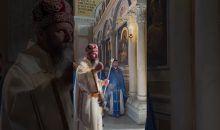
- Services: On Christmas Eve, Orthodox Christians attend a special church service, often featuring traditional hymns and liturgies.
- Traditions: Orthodox Christmas celebrations often include unique customs, such as the singing of carols, the exchange of gifts, and the sharing of traditional foods like baklava and melomakarona.
While the difference in calendars may seem like a minor technicality, it highlights the rich diversity within the Christian faith and the importance of respecting and understanding the traditions and practices of different denominations. As the world becomes increasingly interconnected, it is essential to recognize and appreciate the unique customs and celebrations of all cultures and faiths.
In conclusion, the forgotten date of January 7th serves as a reminder of the complex history and cultural nuances that shape the way we celebrate Christmas. By acknowledging and embracing these differences, we can foster greater understanding, tolerance, and unity among people of all faiths and backgrounds.