The Importance of Iconography in Orthodox Worship: A Window into the Divine
The Importance of Iconography in Orthodox Worship: A Window into the Divine
In the Orthodox Christian tradition, iconography plays a vital role in the liturgical and devotional life of the faithful. Icons, or sacred images, are more than just decorative art pieces; they are windows into the divine, revealing the mysteries of the faith and facilitating a deeper understanding of the sacred. In this article, we will explore the importance of iconography in Orthodox worship and its significance in the spiritual lives of Orthodox Christians.
The Theology of Icons
In Orthodox theology, icons are not merely representations of divine beings, but rather, they are considered to be actual manifestations of the divine presence. According to the Seventh Ecumenical Council (787 AD), icons are "a window to the spiritual world" and "a means of contemplating the divine." This understanding is rooted in the Incarnation, where God became flesh in the person of Jesus Christ. Just as Christ’s physical body was a manifestation of the divine, icons are seen as a continuation of this incarnational principle, making the invisible God visible to humanity.
The Role of Icons in Worship
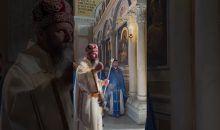
Icons occupy a central place in Orthodox worship, adorning the walls, ceilings, and iconostases (screens) of churches. They are not merely decorative elements, but rather, they are integral to the liturgical and devotional life of the faithful. During worship services, icons are venerated with kisses, bows, and prostrations, symbolizing the respect and reverence due to the divine. The veneration of icons is not worship of the material image itself, but rather, it is a way of honoring the person or event depicted, and ultimately, the divine reality it represents.
The Language of Icons
Icons are a visual language, conveying the mysteries of the faith in a way that transcends words. They employ a rich symbolism, drawing on biblical narratives, patristic theology, and liturgical traditions. Iconography is a language that speaks directly to the heart, bypassing rational understanding and appealing to the deepest longings of the human soul. Through icons, the faithful are able to participate in the mysteries of the faith, experiencing the divine in a tangible and intimate way.
The Icon as a Means of Prayer
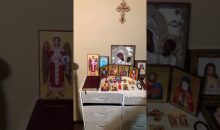
Icons are often used as a focal point for prayer, providing a visual anchor for the mind and heart. Gazing upon an icon, the faithful can enter into a state of contemplation, quieting the mind and allowing the spirit to ascend to the divine. The icon becomes a means of prayer, facilitating a deeper connection with the divine and fostering a sense of unity with the saints and the entire Body of Christ.
The Icon as a Bridge between Heaven and Earth
In Orthodox worship, icons serve as a bridge between the earthly and heavenly realms. They represent the intersection of the divine and human, where the transcendent and the immanent meet. Through icons, the faithful are able to participate in the heavenly liturgy, joining with the angels and saints in the eternal worship of God. This understanding is reflected in the traditional Orthodox phrase, "the icon is a window to heaven," emphasizing the icon’s role in facilitating a vision of the divine.
Conclusion
In conclusion, the importance of iconography in Orthodox worship cannot be overstated. Icons are not merely decorative elements or artistic expressions, but rather, they are a window into the divine, revealing the mysteries of the faith and facilitating a deeper understanding of the sacred. Through the veneration of icons, the faithful are able to participate in the mysteries of the faith, experiencing the divine in a tangible and intimate way. As a means of prayer, a bridge between heaven and earth, and a visual language, icons occupy a central place in Orthodox worship, guiding the faithful on their journey towards union with God.