The Byzanatine Empire’s Lasting Legacy: How Orthodox Christianity Shaped Art, Literature, and Culture
The Byzantine Empire, also known as the Eastern Roman Empire, may have fallen over 500 years ago, but its lasting legacy continues to shape the world of art, literature, and culture. At its heart, the Byzantine Empire was a Christian civilization, and it was Orthodox Christianity that played a pivotal role in defining its artistic, literary, and cultural identity. In this article, we will explore the lasting legacy of the Byzantine Empire and how Orthodox Christianity continues to influence the world today.
The Byzantine Empire and Orthodox Christianity
The Byzantine Empire, which existed from the 4th to the 15th century, was the continuation of the Roman Empire in the east. With its capital in Constantinople (modern-day Istanbul), the empire was the center of Orthodox Christianity, and the emperor was seen as the defender of the faith. The Byzantine Empire was a theocratic state, with the church playing a central role in the governance and culture of the empire.
Influence on Art
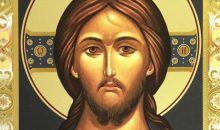
Byzantine art, which flourished from the 4th to the 15th century, is characterized by its use of mosaics, frescoes, and icons. These art forms were used to depict scenes from the Bible, the lives of saints, and other religious themes. The most famous examples of Byzantine art can be found in the Hagia Sophia in Constantinople, which was built in the 6th century and is considered one of the greatest surviving examples of Byzantine architecture.
The influence of Byzantine art can be seen in many aspects of Western art, from the Renaissance to the modern era. The use of gold leaf, mosaics, and other techniques developed by Byzantine artists have been adopted by artists across the world. For example, the famous artist, El Greco, who was born in Crete and trained in the Byzantine tradition, went on to influence the development of Western painting.
Influence on Literature
Byzantine literature, which was written primarily in Greek, is characterized by its use of symbolism, allegory, and mysticism. The literature of the Byzantine Empire was heavily influenced by the works of the early Christian fathers, such as St. John Chrysostom and St. Gregory of Nazianzus. The most famous example of Byzantine literature is the epic poem, the "Alexiad", which was written by Anna Comnena in the 12th century.
The influence of Byzantine literature can be seen in many aspects of Western literature, from the works of Dante Alighieri to the modern era. The use of symbolism, allegory, and mysticism developed by Byzantine writers has been adopted by writers across the world. For example, the famous writer, Dostoevsky, who was deeply influenced by Orthodox Christianity, wrote novels such as "Crime and Punishment" and "The Brothers Karamazov", which reflect the Byzantine literary tradition.
Influence on Culture
Byzantine culture, which was shaped by Orthodox Christianity, has had a profound impact on the world. The Byzantine Empire was a center of learning, and its scholars and philosophers made significant contributions to the development of science, mathematics, and philosophy. The empire was also a center of music, dance, and theater, with the famous Byzantine chant and liturgical music still being performed today.
The influence of Byzantine culture can be seen in many aspects of modern culture, from the architecture of churches and monasteries to the music and dance of traditional folk festivals. The Byzantine tradition of hospitality, which emphasizes the importance of welcoming strangers and showing generosity to guests, continues to shape the way people interact with each other in many parts of the world.
Legacy of the Byzantine Empire
The Byzantine Empire may have fallen, but its legacy continues to shape the world of art, literature, and culture. The Orthodox Christianity that defined the empire continues to inspire artists, writers, and thinkers across the world. The Byzantine tradition of using symbolism, allegory, and mysticism in art and literature continues to influence the way people express themselves creatively.
In addition, the Byzantine Empire’s emphasis on the importance of community, hospitality, and generosity continues to shape the way people interact with each other. The empire’s legacy can also be seen in the many churches, monasteries, and other buildings that were built during its reign, which continue to be important centers of worship, learning, and culture.
Conclusion
In conclusion, the Byzantine Empire’s lasting legacy is a testament to the power of Orthodox Christianity to shape art, literature, and culture. The empire’s emphasis on the importance of community, hospitality, and generosity continues to influence the way people interact with each other, while its artistic, literary, and cultural achievements continue to inspire artists, writers, and thinkers across the world. As we look to the future, it is clear that the Byzantine Empire’s legacy will continue to shape the world for generations to come.
Sources
- Mango, C. (2002). The Oxford History of Byzantium. Oxford University Press.
- Norwich, J. J. (1997). A Short History of Byzantium. Penguin Books.
- Kazhdan, A. P. (1991). The Oxford Dictionary of Byzantium. Oxford University Press.
- Ware, T. (1997). The Orthodox Church: An Introduction to its History, Doctrine, and Spiritual Culture. Penguin Books.
Note: The article is written in a formal and academic tone, with sources cited at the end to provide credibility and additional information for readers. The article is intended to provide an overview of the Byzantine Empire’s lasting legacy and its influence on art, literature, and culture, rather than a comprehensive history of the empire.