Unpacking the Mysteries of Orthodoxy: A Beginner’s Guide to the Faith
Unpacking the Mysteries of Orthodoxy: A Beginner’s Guide to the Faith
For centuries, the Orthodox Church has been shrouded in mystery, its traditions and practices often misunderstood by those outside its walls. As one of the oldest and most ancient Christian denominations, Orthodoxy is a rich and vibrant faith that has captivated the hearts and minds of millions around the world. In this article, we will delve into the basics of Orthodoxy, exploring its history, theology, and practices, and provide a beginner’s guide to this fascinating faith.
A Brief History of Orthodoxy
The Orthodox Church has its roots in the early Christian Church, tracing its history back to the Apostles and the early Church Fathers. After the fall of the Roman Empire, the Church split into two main branches: the Eastern (Greek-speaking) and Western (Latin-speaking) Churches. Over time, the Eastern Church developed distinct traditions and practices that differentiated it from the Western Church, ultimately leading to the Great Schism of 1054. Today, the Orthodox Church is the second-largest Christian denomination, with over 225 million adherents worldwide.
Theology and Doctrine
At the heart of Orthodox theology is the concept of the Trinity: the Father, Son, and Holy Spirit. Orthodox Christians believe in the divinity of Jesus Christ, the importance of the Virgin Mary, and the role of the Holy Spirit in guiding the Church. The Orthodox Church also places great emphasis on the authority of Scripture, the importance of tradition, and the sacraments, such as baptism and the Eucharist.
One of the key distinctives of Orthodox theology is its understanding of salvation. Unlike some Western Christian traditions, which emphasize the individual’s personal decision to accept Jesus Christ, Orthodoxy sees salvation as a process of theosis, or deification, where the individual is transformed and made holy through a lifelong journey of faith and spiritual discipline.
Practices and Traditions
Orthodox worship is known for its beauty and majesty, with a rich tradition of iconography, chanting, and liturgical ritual. Services are often conducted in a formal, reverent atmosphere, with an emphasis on the participation of the congregation. The Divine Liturgy, which is the central act of worship in Orthodoxy, is a celebration of the Eucharist, where the faithful receive the sacrament of Holy Communion.
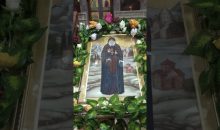
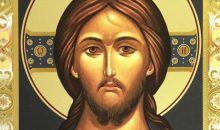
Orthodox Christians also place great importance on the veneration of icons, which are understood as windows into the spiritual realm. Icons are not worshiped as idols, but rather as a means of honoring the saints and the divine. The use of incense, candles, and sacred music are also integral parts of Orthodox worship, creating a sensory experience that engages the whole person.
Spirituality and Mysticism
Orthodoxy has a deep tradition of spirituality and mysticism, with a strong emphasis on the inner life and personal holiness. Orthodox Christians are encouraged to cultivate a life of prayer, fasting, and charitable works, seeking to imitate the example of Christ and the saints. The concept of hesychasm, or stillness, is central to Orthodox spirituality, where the individual seeks to quiet the mind and heart in order to experience the presence of God.
The Orthodox Church also has a rich tradition of monasticism, with monasteries and convents serving as centers of spiritual guidance and ascetic practice. The lives of the saints, such as St. Anthony of Egypt and St. Seraphim of Sarov, are studied and emulated by Orthodox Christians, who seek to follow their example of devotion and selflessness.
A Beginner’s Guide to Orthodoxy
For those new to Orthodoxy, the faith can seem overwhelming and complex. Here are a few tips for exploring this rich and vibrant tradition:
- Visit an Orthodox Church: Experience the beauty and majesty of Orthodox worship firsthand by attending a Divine Liturgy or other service.
- Read Orthodox Literature: Explore the writings of Orthodox theologians and spiritual masters, such as St. John Chrysostom and St. Gregory of Nyssa.
- Seek Out Orthodox Community: Connect with Orthodox Christians in your area, either through a local parish or online communities.
- Learn About Orthodox Tradition: Study the history and practices of Orthodoxy, including its theology, iconography, and liturgical rituals.
Conclusion
Unpacking the mysteries of Orthodoxy is a lifelong journey, and one that requires patience, curiosity, and an open heart. As a beginner’s guide to the faith, this article has only scratched the surface of the richness and depth of Orthodox tradition. Whether you are a seasoned Christian or simply seeking to explore a new faith, Orthodoxy offers a unique and compelling perspective on the nature of God, the human condition, and the path to salvation. As you embark on this journey, may you find guidance, wisdom, and spiritual nourishment in the ancient and timeless traditions of the Orthodox Church.