The Mysteries of the Liturgy: Unpacking the Symbolism and Significance of Orthodox Worship
The Mysteries of the Liturgy: Unpacking the Symbolism and Significance of Orthodox Worship
The Orthodox Christian liturgy is a rich and complex tapestry of symbolism, ritual, and tradition. For centuries, the liturgy has been the central expression of Orthodox worship, weaving together prayer, music, and sacrament in a majestic celebration of faith. Yet, for many, the liturgy remains a mystery, a seemingly impenetrable veil of ceremonial and theological intricacies. In this article, we will delve into the mysteries of the liturgy, exploring the symbolism and significance of Orthodox worship and uncovering the depths of meaning and beauty that lie within.
The Context of the Liturgy
To understand the liturgy, it is essential to consider its context within the broader tradition of Orthodox Christianity. The liturgy is not simply a Sunday morning ritual, but a integral part of the Church’s worship and devotional life. It is a continuation of the ancient Jewish tradition of worship, with its roots in the Temple and the sacrificial system. The liturgy is also deeply connected to the life and teachings of Jesus Christ, who is seen as the fulfillment of the Old Testament promises and the embodiment of the divine.
The Structure of the Liturgy
The Orthodox liturgy is typically divided into several distinct sections, each with its own unique character and significance. The liturgy begins with the Preparation, during which the priest prepares the altar and the sacred vessels for the sacrament of the Eucharist. This is followed by the Liturgy of the Word, which includes the reading of scripture, the chanting of psalms, and the preaching of the Gospel. The Liturgy of the Word is then followed by the Liturgy of the Eucharist, which culminates in the consecration of the bread and wine and the partaking of communion.
Symbolism and Significance
At every stage of the liturgy, symbolism and significance abound. The preparation of the altar, for example, represents the preparation of the human heart for worship and communion with God. The lighting of the candles and the incense signifies the illumination of the soul and the ascension of prayer to heaven. The chanting of the psalms and the reading of scripture remind us of the importance of Scripture and the Tradition of the Church in shaping our understanding of God and our relationship with Him.
The Eucharist, or Holy Communion, is the central sacrament of the liturgy, and its symbolism is particularly rich. The bread and wine represent the body and blood of Christ, which are offered to us as a gift of love and redemption. The act of partaking in communion represents our union with Christ and our participation in the life of the Trinity. The Eucharist is also seen as a foretaste of the heavenly banquet, where we will feast with the saints and the angels in the presence of God.
The Role of the Priest
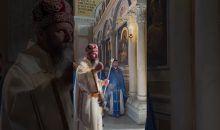
The priest plays a vital role in the liturgy, serving as a mediator between God and humanity. The priest is seen as a representative of Christ, offering the sacrifice of the Eucharist and proclaiming the Gospel to the faithful. The priest’s vestments, which include the phelonion, the epitrachelion, and the omophorion, are also symbolic, representing the priest’s office and his role in the liturgy.
The Participation of the Faithful
While the priest plays a central role in the liturgy, the participation of the faithful is also essential. The liturgy is not simply a spectator sport, but an active engagement of the entire community in worship and prayer. The faithful are encouraged to participate in the chanting of the psalms, the recitation of the creed, and the reception of communion. The liturgy is a communal celebration, a coming together of the people of God to offer praise and worship to the Almighty.
The Mystical Dimension
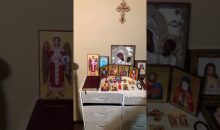
The liturgy is not just a series of rituals and ceremonies, but a mystical encounter with the divine. The Orthodox Church teaches that the liturgy is a participation in the heavenly worship, where we join the angels and the saints in praising God. The liturgy is a sacrament, a means of experiencing the presence of God in our midst. The sacred vessels, the icons, and the sacraments all serve as conduits for the divine, allowing us to experience the transcendent and the infinite.
Conclusion
The mysteries of the liturgy are a deep and abiding well of symbolism, significance, and mystical encounter. The Orthodox liturgy is a rich and complex tapestry, woven from the threads of scripture, tradition, and experience. As we participate in the liturgy, we are drawn into a world of wonder and awe, a world of beauty and transcendence. We are reminded of the importance of worship and prayer in our lives, and the central role that the liturgy plays in shaping our understanding of God and our relationship with Him. As we delve into the mysteries of the liturgy, we may discover anew the depths of meaning and beauty that lie within, and the profound impact that it can have on our lives and our souls.