The Mystical Dimension: Delving into the Spiritual Depths of Orthodox Worship and Practice
The Mystical Dimension: Delving into the Spiritual Depths of Orthodox Worship and Practice
The Orthodox Christian tradition is a rich and multifaceted spiritual path that has been shaped by centuries of devotion, prayer, and contemplation. At its heart, Orthodox worship and practice are designed to facilitate a deep and personal encounter with the divine, leading the believer into the mystical dimension of the faith. In this article, we will explore the spiritual depths of Orthodox worship and practice, and delve into the mystical dimension that underlies this ancient and venerable tradition.
The Importance of Liturgy
In Orthodox Christianity, the liturgy is the central act of worship, and it is here that the mystical dimension is most fully expressed. The liturgy is not simply a ritual or a series of prayers, but a living, breathing entity that embodies the entirety of the Christian mystery. Through the liturgy, the believer is transported into the heavenly realm, where they participate in the eternal worship of the Trinity. The liturgy is a sacrifice of praise and thanksgiving, in which the believer offers themselves, their thoughts, and their actions to God, and receives in return the gift of divine life and illumination.
The Role of Icons
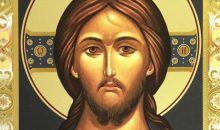
Icons play a vital role in Orthodox worship and practice, serving as windows into the mystical dimension. These sacred images are not simply decorative or symbolic, but are believed to be actual portals of divine presence, through which the believer can encounter the saints and the divine. The veneration of icons is a central aspect of Orthodox devotion, and is seen as a way of honoring the persons depicted, and of seeking their intercession and guidance. By gazing upon an icon, the believer is drawn into the mystical realm, where they can experience the presence of the divine and the communion of the saints.
The Power of Prayer
Prayer is another essential element of Orthodox worship and practice, and is seen as a key to unlocking the mystical dimension. Through prayer, the believer can cultivate a deep and personal relationship with God, and can experience the divine presence in their life. Orthodox prayer is characterized by its emphasis on the Jesus Prayer, a simple yet profound invocation of the name of Jesus, which is repeated continuously, often with the aid of a prayer rope or a icons. This prayer is seen as a way of stilling the mind and focusing the heart, allowing the believer to enter into a state of deep contemplation and spiritual awareness.
The Significance of Fasting and Asceticism
Fasting and asceticism are also important aspects of Orthodox practice, and are seen as essential for cultivating the spiritual disciplines necessary for entry into the mystical dimension. Through fasting, the believer can detach themselves from the worldly and the mundane, and can focus their attention on the divine. Asceticism, in its various forms, such as celibacy, poverty, and obedience, is seen as a way of transcending the limitations of the ego and of attaining a state of spiritual freedom. By embracing these disciplines, the believer can experience a deep sense of inner purification and illumination, and can be drawn into the mystical realm.
The Mystery of the Sacraments
The sacraments, or mysteries, are a vital part of Orthodox worship and practice, and are seen as the means by which the believer can experience the divine presence and receive the gift of spiritual life. The sacraments are not simply symbolic or ritualistic, but are believed to be actual channels of divine grace, through which the believer can encounter the divine and be transformed by its power. The sacraments, such as baptism, chrismation, and the Eucharist, are seen as the means by which the believer can participate in the divine life, and can experience the mystical dimension of the faith.
Conclusion
In conclusion, the Orthodox Christian tradition offers a rich and multifaceted spiritual path, which is designed to facilitate a deep and personal encounter with the divine. Through the liturgy, icons, prayer, fasting, and asceticism, and the sacraments, the believer can experience the mystical dimension of the faith, and can be drawn into the heavenly realm. The mystical dimension is not simply a theoretical or abstract concept, but a living, breathing reality that can be experienced by all who approach the Orthodox tradition with an open heart and mind. As we delve into the spiritual depths of Orthodox worship and practice, we find that the mystical dimension is not just a distant horizon, but a present reality, which can be encountered and experienced in the here and now.