Beyond the Great Schism: The Historical and Theological Context of Orthodox Christianity
Beyond the Great Schism: The Historical and Theological Context of Orthodox Christianity
In 1054, a significant event in Christian history took place, known as the Great Schism. This schism marked the division between the Eastern (Orthodox) and Western (Roman Catholic) branches of Christianity, shaping the course of Christian theology, practice, and culture for centuries to come. Despite this division, Orthodox Christianity has continued to thrive, maintaining a rich and vibrant tradition that spans over 2,000 years. In this article, we will explore the historical and theological context of Orthodox Christianity, delving into its roots, development, and distinctive characteristics.
Early Christianity and the Rise of Orthodoxy
The Christian Church was founded by Jesus Christ and his apostles in the 1st century AD. Following the death and resurrection of Jesus, the apostles spread his teachings throughout the Mediterranean world, establishing communities of believers in major cities such as Jerusalem, Antioch, and Rome. As Christianity grew and spread, it developed distinct traditions and practices in different regions. The Eastern Roman Empire, with its capital in Constantinople (modern-day Istanbul), played a significant role in shaping the development of Orthodox Christianity.
In the early centuries of Christianity, the Church was united under the authority of the apostles and their successors, the bishops. However, as the Church grew and faced various challenges, disagreements arose over issues such as doctrine, practice, and authority. The Council of Nicaea (325 AD) and the Council of Constantinople (381 AD) were two significant events that helped to establish the theological foundations of Orthodox Christianity. These councils affirmed the divinity of Jesus Christ and the Holy Spirit, and established the Nicene Creed, which remains a cornerstone of Orthodox theology to this day.
The Great Schism and its Aftermath
The Great Schism of 1054 was the culmination of a long process of theological and cultural divergence between the Eastern and Western Churches. The immediate cause of the schism was a dispute over the authority of the Pope and the addition of the Filioque clause to the Nicene Creed. The Filioque clause, which stated that the Holy Spirit proceeded from both the Father and the Son, was seen as an innovation by the Eastern Church, and was rejected by the Orthodox patriarchs.
The schism had far-reaching consequences, leading to a separation between the Eastern and Western Churches that would last for centuries. The Orthodox Church, now independent of Rome, continued to develop its own distinct traditions and practices. The patriarch of Constantinople, also known as the Ecumenical Patriarch, emerged as the spiritual leader of the Orthodox Church, with jurisdiction over the entire Eastern Christian world.
Key Theological and Liturgical Characteristics
Orthodox Christianity is characterized by a rich and vibrant theological and liturgical tradition. Some of the key features of Orthodox theology and practice include:
- Trinitarian Theology: Orthodox Christians affirm the divinity of the Father, Son, and Holy Spirit, and believe in the importance of the Holy Trinity in salvation and worship.
- Sacraments: The Orthodox Church recognizes seven sacraments, including baptism, chrismation, eucharist, confession, ordination, marriage, and unction.
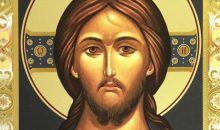
- Icon veneration: Orthodox Christians venerate icons, or images of Christ and the saints, as a way of honoring and worshiping God.
- Liturgy: The Orthodox liturgy is a rich and complex ritual that combines prayer, song, and sacrament. The Divine Liturgy, which is celebrated on Sundays and major feast days, is the central act of worship in Orthodox Christianity.
- Monasticism: Orthodox monasticism has a long and storied history, with many monasteries and convents playing a vital role in the preservation and transmission of Orthodox tradition.
Orthodox Christianity Today
Despite the challenges and divisions of the past, Orthodox Christianity continues to thrive in the modern world. With an estimated 250 million adherents worldwide, the Orthodox Church is one of the largest Christian denominations. Orthodox Christians can be found in many countries, including Greece, Russia, Ukraine, Romania, and the United States.
In recent years, the Orthodox Church has played an increasingly important role in ecumenical dialogue and cooperation. The Ecumenical Patriarch has been a key figure in promoting interfaith understanding and dialogue, and has worked closely with other Christian leaders to promote unity and cooperation.
Conclusion
The history and theology of Orthodox Christianity are complex and multifaceted, spanning over 2,000 years. From its roots in early Christianity to its development and divergence from Western Christianity, the Orthodox Church has maintained a rich and vibrant tradition that continues to shape the lives of millions of people around the world. As we look to the future, it is clear that Orthodox Christianity will continue to play an important role in the global Christian landscape, promoting unity, cooperation, and understanding among all people of faith.