Worshiping in Spirit and Truth: The Beauty and Significance of Orthodox Liturgy
Worshiping in Spirit and Truth: The Beauty and Significance of Orthodox Liturgy
In the fourth chapter of the Gospel of John, Jesus teaches a Samaritan woman about the nature of true worship, saying, "But the hour is coming, and now is, when the true worshipers will worship the Father in spirit and truth; for the Father is seeking such to worship Him" (John 4:23). For centuries, the Orthodox Church has been a testament to this biblical mandate, with its rich and beautiful liturgical tradition that embodies the spirit of worshiping in spirit and truth.
The Beauty of Orthodox Liturgy
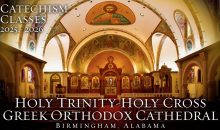
Orthodox liturgy is a sensory experience that engages the entire being – body, soul, and spirit. The majestic architecture of Orthodox churches, adorned with icons, mosaics, and frescoes, creates a sacred atmosphere that transports the worshiper to a realm of transcendence. The sweet fragrance of incense, the soft glow of candles, and the resonant chanting of hymns all combine to create an immersive experience that awakens the senses and stirs the soul.
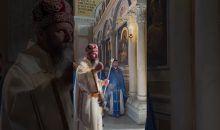
At the heart of Orthodox liturgy is the Divine Liturgy, a sacred ritual that recreates the events of the Last Supper and the Passion of Christ. The liturgy is a masterful weave of prayer, song, and sacrament, with each element carefully crafted to convey the mystery of God’s presence among us. The priest, vested in ornate robes, prays and offers the sacraments on behalf of the faithful, while the congregation participates through their prayers, hymns, and active engagement in the ritual.
The Significance of Orthodox Liturgy
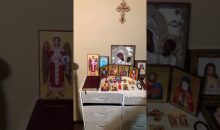
The beauty of Orthodox liturgy is not merely aesthetic; it is also deeply symbolic and theologically rich. Every aspect of the liturgy, from the iconography to the vestments, is imbued with meaning and significance. The icons, for example, are not merely decorative; they are windows into the spiritual realm, revealing the saints and angels who surround us in worship. The vestments, with their intricate embroidery and colorful fabrics, represent the heavenly robes worn by the angels and the saints in the presence of God.
The Orthodox liturgy is also a powerful expression of the Church’s doctrine and theology. The creed, the prayers, and the hymns all affirm the fundamental teachings of the Christian faith, from the Trinity to the Incarnation. The liturgy is a confession of faith, a proclamation of the Gospel, and a celebration of the mysteries of God’s love and redemption.
Worshiping in Spirit and Truth
At its core, Orthodox liturgy is a call to worship in spirit and truth. It is an invitation to transcend the mundane and the ordinary, to enter into the mystery of God’s presence, and to experience the transformative power of the Holy Spirit. The liturgy is not a mere ritual or a form of entertainment; it is a sacred encounter with the living God, who dwells among us and within us.
In this sense, Orthodox liturgy is a school of prayer, teaching us how to worship in spirit and truth. It shows us that worship is not a solo activity, but a communal one, where we gather with others to offer our prayers, our thanks, and our praise to God. The liturgy reminds us that worship is not a cerebral exercise, but a holistic one, engaging our minds, hearts, and bodies in the act of adoration and devotion.
Conclusion
The Orthodox liturgy is a treasure trove of spiritual riches, a testament to the beauty and significance of worshiping in spirit and truth. It is a tradition that has been passed down through the centuries, a living and breathing expression of the Christian faith that continues to inspire and nourish believers around the world. As we participate in the Orthodox liturgy, we are reminded of the importance of worshiping in spirit and truth, with hearts that are open, minds that are receptive, and souls that are longing for the presence of God. In the words of the Psalmist, "Let us come before His presence with thanksgiving, and make a joyful noise unto Him with psalms" (Psalm 95:2).