Windows to Heaven: The Spiritual Significance of Orthodox Icons – An exploration of the theological importance of icons in Orthodox Christianity.
Windows to Heaven: The Spiritual Significance of Orthodox Icons
In the Orthodox Christian tradition, icons have long been revered as sacred windows to heaven, offering a glimpse into the divine realm and facilitating a deeper understanding of the mysteries of faith. These visual representations of Christ, the Virgin Mary, and various saints have been an integral part of Orthodox worship and spirituality for centuries, embodying a rich theological significance that transcends their aesthetic appeal.
The Theological Foundation of Icons
The use of icons in Orthodox Christianity is rooted in the Incarnation of Jesus Christ, who took on human form to reveal God’s love and mercy to humanity. As the Word of God made flesh, Jesus became the ultimate icon, or image, of the invisible God (Colossians 1:15). In this sense, icons are not merely decorative objects, but rather a manifestation of the Incarnate Word, serving as a bridge between the material and spiritual realms.
The Orthodox Church’s theology of icons is closely tied to the concept of theosis, or deification, which holds that humans are created in the image of God and are called to participate in the divine life. Icons, in this context, serve as a means of sanctification, enabling believers to contemplate the divine and to behold the glory of God. As St. John of Damascus, a prominent Orthodox theologian, wrote, “The icon is a mirror of the divine, a window to heaven, through which we can gaze upon the divine and be transformed by its beauty.”
The Role of Icons in Orthodox Worship
In Orthodox worship, icons play a central role, serving as a focal point for devotion, prayer, and contemplation. The iconostasis, a screen or wall adorned with icons, separates the nave from the altar, creating a symbolic threshold between the earthly and heavenly realms. As believers approach the iconostasis, they are invited to enter into the presence of God, to venerate the saints, and to seek their intercession.
The veneration of icons is not idolatrous, as some critics have suggested, but rather a form of reverence and respect for the person or event depicted. When Orthodox Christians venerate an icon, they are not worshiping the image itself, but rather the reality it represents. As St. Basil the Great wrote, “The honor paid to the image passes on to the prototype, and he who venerates the image venerates in it the person represented.”
The Icon as a Symbol of Unity
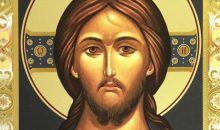
Icons also serve as a powerful symbol of unity within the Orthodox Church, bridging the gap between heaven and earth, and between the individual believer and the broader community of faith. The iconography of Orthodox churches and homes often features a standard set of images, including the Christ Pantocrator, the Theotokos (Virgin Mary), and various saints, which creates a sense of continuity and shared devotion among believers.
Furthermore, icons have played a significant role in the missionary efforts of the Orthodox Church, serving as a visual introduction to the Gospel and a means of evangelization. The icon, in this sense, becomes a “door” to the Christian faith, inviting non-believers to enter into the mystery of salvation and to experience the love of God.
The Art of Iconography
The creation of icons is a highly revered art form in Orthodox Christianity, requiring great skill, patience, and devotion. Iconographers, or icon painters, are trained in the traditional techniques and symbolism of iconography, which have been passed down through generations. The process of creating an icon is often a spiritual exercise, involving prayer, fasting, and meditation, as the artist seeks to capture the essence of the divine.
The resulting icon is not simply a work of art, but a manifestation of the divine, a window to heaven that invites the viewer to contemplate the mysteries of faith. As the Orthodox Church has always maintained, “The icon is a work of art, but it is also a work of theology, a declaration of the Gospel in visual form.”
Conclusion
In conclusion, the spiritual significance of Orthodox icons cannot be overstated. These sacred images serve as windows to heaven, offering a glimpse into the divine realm and facilitating a deeper understanding of the mysteries of faith. As a manifestation of the Incarnate Word, icons embody the theological importance of the Orthodox Christian tradition, inviting believers to contemplate the divine, to venerate the saints, and to seek their intercession. Through the icon, the Orthodox Church continues to proclaim the Gospel, to evangelize, and to nurture the spiritual growth of its adherents, ensuring that the beauty and truth of the Christian faith are preserved for generations to come.