Divided by Doctrine: Understanding the Key Differences Between Orthodox and Catholic Christianity
Divided by Doctrine: Understanding the Key Differences Between Orthodox and Catholic Christianity
For centuries, Christianity has been a cornerstone of faith for millions of people around the world. However, within the Christian faith, there exist two distinct branches: Orthodox Christianity and Catholic Christianity. While both share a common heritage and many similarities, they are also divided by significant doctrinal differences. In this article, we will explore the key differences between Orthodox and Catholic Christianity, and examine the historical and theological factors that have contributed to their separation.
The Great Schism
The divide between Orthodox and Catholic Christianity began with the Great Schism of 1054, a pivotal event in Christian history. The Schism was sparked by a dispute over the authority of the Pope and the use of the filioque clause in the Nicene Creed. The filioque clause, which states that the Holy Spirit proceeds from both the Father and the Son, was added to the Creed by the Western (Catholic) Church, but was rejected by the Eastern (Orthodox) Church. This disagreement was not just a matter of semantics, but reflected a deeper divide over the nature of authority and the role of the Pope in the Church.
Authority and Governance
One of the primary differences between Orthodox and Catholic Christianity is the understanding of authority and governance within the Church. In Catholicism, the Pope is considered the supreme authority and the successor to Saint Peter, with absolute authority over the Church. In Orthodoxy, authority is understood as being distributed among the bishops, with the Ecumenical Patriarch of Constantinople holding a primacy of honor, but not absolute authority.
Sacraments and Worship
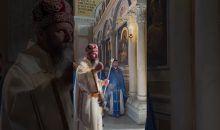
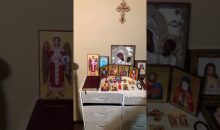
Another significant difference between Orthodox and Catholic Christianity lies in their understanding of the sacraments and worship. In Catholicism, there are seven sacraments, including baptism, confirmation, and the Eucharist. In Orthodoxy, there are also seven sacraments, but they are understood as “mysteries” rather than sacraments, and include baptism, chrismation, and the Eucharist. Additionally, Orthodox worship is characterized by a rich liturgical tradition, with an emphasis on icons, incense, and chanting, whereas Catholic worship is more diverse and has been influenced by various cultural and historical factors.
Original Sin and Free Will
Orthodox and Catholic Christianity also differ in their understanding of original sin and free will. In Catholicism, original sin is understood as a stain on the soul that is inherited from Adam and Eve, and can only be cleansed through baptism. In Orthodoxy, original sin is understood as a condition of humanity, but not a stain on the soul. Furthermore, Orthodoxy emphasizes the importance of free will in human salvation, whereas Catholicism has traditionally emphasized the role of grace and the sacraments.
Purgatory and the Afterlife
The concept of purgatory is another area of significant difference between Orthodox and Catholic Christianity. In Catholicism, purgatory is understood as a temporary state of purification, where the souls of the deceased undergo cleansing before entering heaven. In Orthodoxy, there is no doctrine of purgatory, and the afterlife is understood as a mystery that is known only to God.
Conclusion
In conclusion, the differences between Orthodox and Catholic Christianity are profound and far-reaching, reflecting fundamentally distinct understandings of authority, sacraments, worship, and the human condition. While both traditions share a common heritage and a commitment to the teachings of Christ, their division is a testament to the complexity and diversity of human faith and experience. As we seek to understand and appreciate the richness of Christian tradition, it is essential to acknowledge and respect the differences between Orthodox and Catholic Christianity, and to recognize the unique contributions that each has made to the history and development of the faith.
Recommendations for Further Reading
For those interested in exploring the differences between Orthodox and Catholic Christianity in more depth, the following resources are recommended:
- “The Orthodox Church” by Timothy Ware
- “The Catholic Church: A Short History” by Hans Kung
- “The Great Schism: A Documentary History” edited by Joseph Gill
- “Orthodox and Catholic Christianity: A Comparative Introduction” by Daniel B. Clendenin
By engaging with these resources, readers can gain a deeper understanding of the historical, theological, and cultural factors that have shaped the development of Orthodox and Catholic Christianity, and appreciate the unique traditions and perspectives that each has to offer.