The Iconic Beauty of Orthodoxy: Unpacking the Visual Language of the Faith
The Iconic Beauty of Orthodoxy: Unpacking the Visual Language of the Faith
Introduction
The Orthodox Christian faith is renowned for its rich and vibrant visual tradition, which has been a cornerstone of its spiritual expression for centuries. At the heart of this tradition lies the iconic image, a powerful symbol that conveys the deepest theological and philosophical truths of the faith. In this article, we will delve into the world of Orthodox iconography, exploring its history, significance, and the visual language that underlies this sacred art form.
The Origins of Iconography
The use of icons in Orthodox worship dates back to the early Christian period, when images of Christ, the Virgin Mary, and the saints were used to convey the message of salvation. Over time, the production and veneration of icons became an integral part of Orthodox spirituality, with each image serving as a window into the divine realm. The iconic tradition was formalized in the 7th century, when the Orthodox Church officially recognized the importance of images in worship, and established guidelines for their creation and use.
The Visual Language of Icons
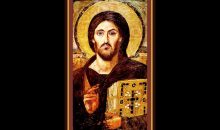
Orthodox icons are more than just beautiful works of art; they are a visual language that communicates the deepest truths of the faith. Each element of an icon, from the colors and shapes to the gestures and expressions of the figures, carries a specific meaning and significance. The composition of an icon is typically divided into three parts: the foreground, where the main figures are depicted; the background, which represents the spiritual realm; and the border, which serves as a transition between the two.
Color plays a crucial role in Orthodox iconography, with each hue carrying a specific symbolic meaning. Gold, for example, represents the divine light, while blue symbolizes the heavenly realm. Red, on the other hand, represents martyrdom and sacrifice, while green represents eternal life. The use of color in icons is not merely aesthetic, but serves to convey the spiritual and theological themes that underlie the image.
The Role of Icons in Worship
Icons are an integral part of Orthodox worship, serving as a focal point for prayer and devotion. In the Orthodox tradition, icons are believed to be a means of accessing the divine realm, and are often referred to as “windows into heaven.” The veneration of icons is not worship of the image itself, but rather a recognition of the spiritual reality that it represents. When an Orthodox Christian venerates an icon, they are not merely paying homage to a work of art, but are rather engaging with the living presence of the saint or divine person depicted.
The Significance of Iconography in Orthodox Spirituality
The iconic tradition is not merely a peripheral aspect of Orthodox spirituality, but is rather a central component of the faith. Icons serve as a means of transmitting the spiritual and theological heritage of the Orthodox Church, and provide a visual representation of the faith’s core teachings. The production and veneration of icons is a sacred act, one that requires a deep understanding of the faith and its traditions.
In addition to their role in worship, icons also play a significant role in the spiritual lives of Orthodox Christians. Many believers keep icons in their homes, where they serve as a reminder of the divine presence and a source of spiritual comfort. The icons are often used in personal devotion, such as prayer and meditation, and are believed to provide a tangible connection to the spiritual realm.
Conclusion
The iconic beauty of Orthodoxy is a testament to the power and significance of the visual language of the faith. Through the use of color, composition, and symbolism, Orthodox icons convey the deepest theological and philosophical truths of the faith, providing a window into the divine realm. As a central component of Orthodox spirituality, the iconic tradition continues to inspire and nourish believers around the world, offering a unique and profound means of engaging with the sacred.
In an age where the visual and the spiritual are often seen as separate realms, the iconic tradition of Orthodoxy reminds us of the profound connection between the two. The beauty and significance of Orthodox icons serve as a testament to the enduring power of the faith, and offer a unique glimpse into the spiritual and theological heritage of the Orthodox Church. As we gaze upon these sacred images, we are reminded of the transcendent reality that lies beyond the mundane world, and are invited to participate in the timeless and universal language of the faith.