The Forgotten Tradition: Uncovering the Riches of Orthodox Christianity – An introduction to the history and practices of Orthodox Christianity.
The Forgotten Tradition: Uncovering the Riches of Orthodox Christianity
In a world where Christianity is often associated with Western traditions and practices, the rich and vibrant heritage of Orthodox Christianity remains a mystery to many. With a history spanning over 2,000 years, Orthodox Christianity is the second-largest Christian denomination in the world, with over 300 million adherents. Yet, despite its significant presence, the Orthodox tradition remains shrouded in misconceptions and misunderstandings. In this article, we will delve into the history, practices, and spiritual riches of Orthodox Christianity, exploring the forgotten tradition that has shaped the lives of millions around the globe.
A Brief History of Orthodox Christianity
The roots of Orthodox Christianity date back to the apostolic era, with the early Christian communities in the Eastern Mediterranean region playing a pivotal role in shaping the faith. The Orthodox Church was formally established in the 1st century AD, with the apostles Peter and Paul preaching in the region. As the Roman Empire expanded, Christianity spread throughout the Eastern provinces, with the city of Constantinople (modern-day Istanbul) emerging as a major center of Christian worship and learning.
The Great Schism of 1054 marked a significant turning point in the history of Orthodox Christianity, as the Eastern (Orthodox) and Western (Roman Catholic) churches formally split over issues of doctrine, practice, and authority. The Orthodox Church, led by the Ecumenical Patriarch of Constantinople, maintained its independence and unique traditions, while the Roman Catholic Church, led by the Pope, developed its own distinct teachings and practices.
The Practices of Orthodox Christianity
Orthodox Christianity is characterized by a rich and diverse range of practices, including:
- Liturgical Worship: Orthodox worship is centered on the Divine Liturgy, a solemn and majestic service that combines elements of prayer, scripture, and sacrament. The liturgy is typically conducted in a highly ornate and symbolic manner, with intricate rituals and ceremonies.
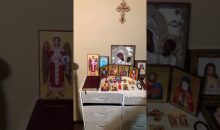
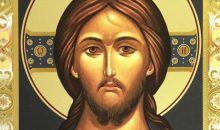
- Iconography: Icons, or sacred images, play a vital role in Orthodox worship and devotion. These images, often depicting Christ, the Virgin Mary, and various saints, are revered as windows into the divine and are used in prayer and meditation.
- Sacraments: The Orthodox Church recognizes seven sacraments, including baptism, chrismation (confirmation), the Eucharist, confession, ordination, marriage, and unction (anointing of the sick).
- Fasting and Asceticism: Orthodox Christians observe a range of fasts throughout the year, including the Great Lent, which prepares believers for the resurrection of Christ. Ascetic practices, such as prayer, meditation, and self-denial, are also central to Orthodox spirituality.
- Monasticism: Orthodox monasticism has a long and storied history, with monasteries serving as centers of spiritual learning, prayer, and service.
The Spiritual Riches of Orthodox Christianity
Orthodox Christianity is a deeply spiritual and mystical tradition, with a rich emphasis on the inner life and the pursuit of holiness. At the heart of Orthodox spirituality lies the concept of theosis, or deification, which holds that humanity is called to participate in the divine life of God. This is achieved through a combination of prayer, asceticism, and sacramental participation.
Other key aspects of Orthodox spirituality include:
- The Jesus Prayer: A simple, yet profound prayer, which invokes the name of Jesus and seeks to cultivate a deep sense of inner stillness and communion with God.
- The Philokalia: A collection of spiritual writings from the early Church Fathers, which offers guidance on the pursuit of holiness and the cultivation of the inner life.
- The Lives of the Saints: The stories of Orthodox saints, which provide powerful examples of spiritual courage, perseverance, and devotion.
Conclusion
The forgotten tradition of Orthodox Christianity offers a wealth of spiritual riches and historical insights, waiting to be uncovered by those willing to explore its depths. With its unique blend of liturgical worship, iconography, and ascetic practices, Orthodox Christianity provides a distinctive and compelling vision of the Christian faith. As we seek to understand and engage with this ancient tradition, we may discover a deeper appreciation for the diversity and complexity of Christian experience, and a renewed sense of wonder at the mysteries of the Orthodox faith.