The ancient roots of Eastern Orthodoxy: Uncovering the history and traditions of the Christian East
The Ancient Roots of Eastern Orthodoxy: Uncovering the History and Traditions of the Christian East
The Eastern Orthodox Church is one of the oldest and most venerable Christian traditions in the world, with a rich history spanning over 2,000 years. Born out of the apostolic era, Eastern Orthodoxy has maintained a distinct identity and set of practices that have been shaped by the cultural, theological, and historical context of the Eastern Mediterranean. In this article, we will delve into the ancient roots of Eastern Orthodoxy, exploring its history, traditions, and significance in the modern world.
The Early Years: The Apostolic Era and the Spread of Christianity
The history of Eastern Orthodoxy begins with the life and teachings of Jesus Christ, who sent his apostles to spread the Gospel to all nations. The apostles, particularly Saint Andrew and Saint Peter, played a crucial role in establishing the early Christian communities in the Eastern Mediterranean. The city of Antioch, in modern-day Turkey, is considered the birthplace of Christianity, where the disciples of Jesus were first called Christians (Acts 11:26).
As Christianity spread throughout the Roman Empire, the Eastern provinces became a hub of Christian activity. The early Church Fathers, such as Saint Ignatius of Antioch and Saint Polycarp of Smyrna, helped shape the theology and practices of the Eastern Church. The Council of Jerusalem (Acts 15:1-35), which took place in the 1st century AD, marked an important milestone in the development of Eastern Orthodoxy, as it established the principle of apostolic succession and the importance of tradition in interpreting Scripture.
The Byzantine Era: The Rise of Constantinople and the Imperial Church
The conversion of Emperor Constantine in the 4th century AD marked a significant turning point in the history of Eastern Orthodoxy. With the establishment of Constantinople (modern-day Istanbul) as the capital of the Eastern Roman Empire, the city became a center of Christianity, and the Church of Constantinople, under the leadership of the Patriarch of Constantinople, emerged as a dominant force in the Eastern Christian world.
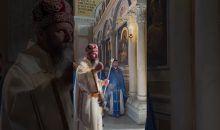
During the Byzantine era, Eastern Orthodoxy flourished, and the Church played a vital role in shaping the cultural, artistic, and theological landscape of the Empire. The development of iconography, liturgical music, and the construction of magnificent churches, such as Hagia Sophia, reflected the deep devotion and piety of the Eastern Orthodox faithful.
The Great Schism: The Division between East and West
The Great Schism of 1054 AD, which saw the Eastern Orthodox Church and the Roman Catholic Church separate, marked a significant watershed in the history of Eastern Orthodoxy. The controversy over the Filioque clause, which added the phrase “and the Son” to the Nicene Creed, exemplified the theological differences between the two traditions. The Schism also reflected the cultural and linguistic divisions between the Eastern and Western Christian worlds.
The Ottoman Era: Persecution and Preservation
The fall of Constantinople to the Ottoman Turks in 1453 AD marked the beginning of a long period of persecution and marginalization for the Eastern Orthodox Church. Despite the challenges, the Church continued to thrive, and the Orthodox faithful preserved their traditions and practices, often in secret.
The Ottoman era saw the emergence of new centers of Orthodoxy, such as the monasteries of Mount Athos and the Patriarchate of Moscow. The Church also played a vital role in maintaining the cultural and national identity of the Orthodox peoples under Ottoman rule.
Modern Eastern Orthodoxy: A Global Tradition
Today, Eastern Orthodoxy is a global tradition, with millions of followers around the world. The Church has maintained its distinct identity and practices, while also engaging with modernity and ecumenism. The Ecumenical Patriarch of Constantinople, Bartholomew I, has been a prominent voice in promoting interfaith dialogue and environmental stewardship.
The Eastern Orthodox Church has also played a significant role in preserving the cultural and historical heritage of the Christian East. The Church’s rich liturgical traditions, icons, and architecture continue to inspire and nourish the faithful, while its commitment to social justice and service reflects the compassion and love of Christ.
Traditions and Practices: The Heart of Eastern Orthodoxy
Eastern Orthodoxy is characterized by a rich tapestry of traditions and practices, which reflect the Church’s deep roots in the apostolic era. Some of the key traditions and practices include:
- The Liturgy: The Divine Liturgy, which dates back to the early Christian era, is the central worship service of the Eastern Orthodox Church.
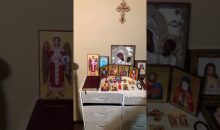
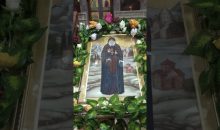
- Icons: Iconography, which depicts the saints and events of the Bible, plays a vital role in Eastern Orthodox worship and devotion.
- Fasting: Fasting, which is an integral part of Eastern Orthodox spirituality, is a means of purification and preparation for the feast days and liturgical seasons.
- Monasticism: Monasticism, which has a long history in Eastern Orthodoxy, provides a model of asceticism, prayer, and service.
- The Calendar: The Eastern Orthodox Church follows the Julian calendar, which reflects the Church’s connection to the ancient Christian world.
Conclusion: The Enduring Legacy of Eastern Orthodoxy
The ancient roots of Eastern Orthodoxy are a testament to the enduring power of the Christian faith. From its apostolic beginnings to its modern-day global presence, Eastern Orthodoxy has maintained a distinct identity and set of practices that reflect the cultural, theological, and historical context of the Christian East. As we navigate the complexities of the modern world, the traditions and practices of Eastern Orthodoxy offer a rich source of inspiration, guidance, and comfort, reminding us of the timeless wisdom and love of Christ.