Understanding the Ancient Faith: A Beginner’s Guide to Christian Orthodoxy
Understanding the Ancient Faith: A Beginner’s Guide to Christian Orthodoxy
Christian Orthodoxy, also known as Eastern Orthodoxy, is one of the oldest and largest Christian denominations in the world. With a rich history spanning over 2,000 years, Orthodox Christianity has maintained its traditions, practices, and theology, making it a unique and fascinating faith to explore. In this article, we will delve into the basics of Christian Orthodoxy, its history, and its core principles, providing a beginner’s guide for those interested in understanding this ancient faith.
A Brief History of Christian Orthodoxy
Christian Orthodoxy has its roots in the early Christian Church, which was established by Jesus Christ and his apostles. After the death and resurrection of Christ, the apostles spread the Gospel message, establishing churches in various parts of the Mediterranean world. As the Church grew, it became divided into two main branches: the Eastern (Orthodox) and Western (Roman Catholic) churches. The Great Schism of 1054, a theological and cultural divide, marked the formal separation between the two branches.
Over the centuries, Orthodox Christianity developed and flourished in the Eastern Mediterranean, with significant centers of worship and learning in Constantinople (modern-day Istanbul), Greece, and Russia. The faith was shaped by the writings of the early Church Fathers, the decisions of the Ecumenical Councils, and the traditions of the apostles. Today, there are over 300 million Orthodox Christians worldwide, with major concentrations in Greece, Russia, Ukraine, and the Middle East.
Core Principles of Christian Orthodoxy
At the heart of Orthodox Christianity are several key principles that guide the faith and practice of its adherents. These include:
- The Holy Trinity: Orthodox Christians believe in one God, who exists in three persons: the Father, the Son (Jesus Christ), and the Holy Spirit.
- The Incarnation: The Orthodox faith affirms that Jesus Christ is fully human and fully divine, and that his incarnation, death, and resurrection are the central events of human history.
- The Sacraments: Orthodox Christians recognize seven sacraments, or mysteries, which are channels of God’s grace and presence in the world. These include baptism, chrismation (confirmation), the Eucharist (Communion), confession, ordination, marriage, and unction (anointing with oil).
- The Authority of Scripture and Tradition: Orthodox Christians believe that the Bible is the inspired word of God, and that it is interpreted in the context of the Church’s tradition, which includes the writings of the early Church Fathers and the decisions of the Ecumenical Councils.
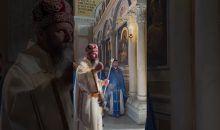
- The Importance of Liturgy and Worship: Orthodox worship is characterized by its rich liturgical tradition, which includes the use of icons, candles, incense, and choral music. The Divine Liturgy, which commemorates the Last Supper, is the central act of worship in Orthodox churches.
Distinctive Practices and Traditions
Orthodox Christianity has a number of distinctive practices and traditions that set it apart from other Christian denominations. These include:
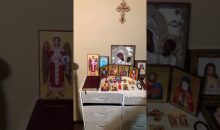
- Icon Veneration: Orthodox Christians venerate icons, or images, of Christ, the Virgin Mary, and the saints, which are believed to be windows into the spiritual realm.
- Fasting and Asceticism: Orthodox Christians practice fasting and asceticism as a means of spiritual discipline and preparation for the sacraments.
- The Use of Incense and Candles: Incense and candles are used in Orthodox worship to symbolize the presence of God and the prayers of the faithful.
- The Role of Monasticism: Monasticism has played a significant role in Orthodox Christianity, with monasteries serving as centers of spiritual guidance, education, and missionary work.
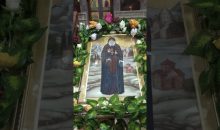
- The Importance of Saints and Martyrs: Orthodox Christians honor the saints and martyrs of the Church, who are believed to intercede on behalf of the faithful and provide models of Christian living.
Conclusion
Christian Orthodoxy is a rich and vibrant faith that has been shaped by centuries of tradition, practice, and theology. For those interested in exploring this ancient faith, it is essential to understand its history, core principles, and distinctive practices. Whether you are a Christian seeking to deepen your understanding of the faith or a non-Christian looking to learn more about Orthodoxy, this beginner’s guide provides a foundation for further exploration and discovery. As you delve into the world of Orthodox Christianity, you will encounter a wealth of spiritual riches, from the beauty of its liturgy and iconography to the wisdom of its theologians and saints.