The Symbolism of the Orthodox Cross: Unpacking the Meaning Behind the Flag
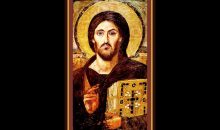
The Symbolism of the Orthodox Cross: Unpacking the Meaning Behind the Icon
The Orthodox Cross, also known as the Eastern Cross, is a symbol deeply ingrained in the traditions and practices of the Orthodox Christian faith. It is an integral part of the church’s iconography, architecture, and liturgical practices, and holds significant meaning and symbolism for Orthodox Christians worldwide. In this article, we will delve into the history and meaning behind the Orthodox Cross, exploring its various components and the theological significance they convey.
The Three-Bar Cross
The Orthodox Cross is characterized by its distinctive three-bar design, which sets it apart from other Christian crosses. The upper bar, known as the “title bar,” typically bears the inscription “INRI” (Iesus Nazarenus Rex Iudaeorum, or Jesus of Nazareth, King of the Jews), a reference to the sign that hung above Jesus’ head during his crucifixion. The middle bar represents the horizontal beam of the cross, while the lower bar, known as the “footrest” or “suppedaneum,” symbolizes the footrest on which Jesus’ feet were nailed.
The Meaning of the Three Bars
Each bar of the Orthodox Cross holds distinct symbolic meaning. The upper bar represents the heavenly realm, the middle bar represents the earthly realm, and the lower bar represents the underworld or Hades. The intersection of these three bars signifies the intersection of heaven, earth, and hell, and the crucifixion of Jesus Christ, who bridged the gap between these realms through his sacrifice. The three bars also represent the Holy Trinity: the Father, the Son, and the Holy Spirit.
The Slanted Footrest
One of the most distinctive features of the Orthodox Cross is the slanted footrest, which is typically depicted at an angle. This slant has several interpretations, including the notion that it represents the balance between good and evil. According to tradition, the footrest was slanted to indicate that the thief on Jesus’ right side, who repented and was saved, was elevated to heaven, while the thief on his left side, who did not repent, was relegated to hell. The slant also symbolizes the impermanence of earthly things and the eternal nature of God’s kingdom.
The Cross as a Symbol of Salvation
At its core, the Orthodox Cross is a symbol of salvation, representing the instrument of Jesus’ crucifixion and ultimate triumph over death and sin. It is a reminder of the redemptive power of Christ’s sacrifice and the hope of eternal life that it offers to humanity. The cross is also a symbol of the Christian’s journey towards spiritual transformation and enlightenment, as they strive to follow in the footsteps of Christ and participate in his sufferings and resurrection.
The Use of the Orthodox Cross in Worship and Iconography
The Orthodox Cross is an integral part of Orthodox Christian worship and iconography. It is often depicted in icons, mosaics, and frescoes, and is used in liturgical practices such as the sign of the cross, which is made by worshipers to invoke God’s blessing and protection. The cross is also used in processions and other ceremonies, serving as a visual reminder of the central tenets of the Orthodox faith.
Conclusion
The Orthodox Cross is a rich and complex symbol, steeped in history, theology, and tradition. Its various components, including the three-bar design and slanted footrest, convey a wealth of meaning and significance, reminding Orthodox Christians of the centrality of the cross in their faith and the transformative power of Christ’s sacrifice. As a symbol of salvation, the Orthodox Cross continues to inspire and guide believers on their journey towards spiritual enlightenment and union with God.