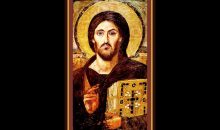
Unveiling the Mystique: The Enduring Symbolism of Christian Orthodox Icons
Unveiling the Mystique: The Enduring Symbolism of Christian Orthodox Icons
For centuries, Christian Orthodox icons have been a cornerstone of faith and devotion for millions of believers around the world. These revered images, often depicted on wood or other materials, are not merely decorative pieces, but rather windows into the spiritual realm, conveying profound symbolism and meaning. In this article, we will delve into the mystique surrounding Christian Orthodox icons, exploring their rich history, significance, and the enduring power of their symbolism.
A Brief History of Christian Orthodox Icons
The use of icons in Christian worship dates back to the early days of the Church, with ancient traditions of venerating images of Christ, the Virgin Mary, and various saints. The Eastern Orthodox Church, in particular, has a long and storied history of icon veneration, with the first recorded use of icons dating back to the 4th century. Over time, iconography evolved into a distinctive art form, characterized by the use of gold leaf, intricate details, and a distinctive style that blended Byzantine, Greek, and Russian influences.
The Symbolism of Christian Orthodox Icons
At the heart of Christian Orthodox iconography lies a profound symbolism that communicates spiritual truths and theological concepts. Icons are not merely representations of biblical figures or events, but rather portals to the divine, inviting the viewer to participate in the mystical experience. Each icon is imbued with layers of meaning, often conveyed through subtle details, such as:
- The use of gold: Representing the divine light, gold is used to create a sense of transcendence and otherworldliness, drawing the viewer’s attention to the sacred.
- The gaze of the icon: The direct, piercing gaze of the icon is meant to engage the viewer, establishing a personal connection with the divine.
- The significance of colors: Colors are carefully chosen to convey specific meanings, such as blue for heaven, red for martyrdom, and green for eternal life.
- The iconography of the saints: Each saint is depicted with distinctive attributes, such as a crown for martyrdom or a staff for pastoral ministry, highlighting their unique role in the Church.
The Enduring Power of Christian Orthodox Icons
Despite the passage of centuries, Christian Orthodox icons continue to captivate and inspire believers and non-believers alike. Their enduring power can be attributed to several factors:
- Timeless spiritual themes: The symbolism and themes depicted in icons remain universally relevant, speaking to fundamental human experiences, such as hope, redemption, and the quest for transcendence.
- Aesthetic beauty: The intricate craftsmanship and beauty of icons evoke a sense of awe, inviting the viewer to contemplate the divine.
- Cultural significance: Icons have played a significant role in shaping the cultural and artistic heritage of Eastern Europe, the Middle East, and other regions, influencing art, literature, and music.
The Role of Christian Orthodox Icons in Modern Times
In an era marked by increasing secularization and digitalization, Christian Orthodox icons continue to hold a special place in the hearts of believers. They serve as:
- Spiritual focal points: Icons provide a tangible connection to the divine, facilitating prayer, contemplation, and devotion.
- Cultural ambassadors: Icons have become an integral part of cultural exchange, fostering dialogue and understanding between Christian and non-Christian communities.
- Artistic inspiration: The beauty and symbolism of icons continue to inspire artists, writers, and musicians, influencing contemporary creative expression.
Conclusion
Christian Orthodox icons are more than mere decorative pieces; they are gateways to the spiritual realm, conveying profound symbolism and meaning. As we unveil the mystique surrounding these iconic images, we discover a rich tapestry of history, theology, and cultural significance. In an age marked by increasing secularization, the enduring power of Christian Orthodox icons reminds us of the timeless importance of faith, spirituality, and the human quest for transcendence. As we gaze upon these sacred images, we are invited to participate in the mystical experience, connecting with the divine and the rich cultural heritage of the Eastern Orthodox Church.