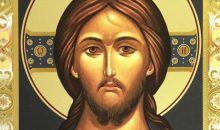
Armenia: The Cradle of Orthodox Christianity – A historical exploration of Armenia’s adoption of Christianity in 301 AD.
Located in the South Caucasus region, Armenia is a country with a rich history and cultural heritage. One of the most significant events in Armenian history is the adoption of Christianity as the state religion in 301 AD, making it the first country to do so. This article will delve into the historical context of Armenia’s conversion to Christianity and its impact on the country’s development.
Introduction to Christianity
The introduction of Christianity to Armenia is attributed to the apostles Thaddeus and Bartholomew, who preached in the region in the 1st century AD. However, it was not until the 3rd century AD that Christianity began to gain widespread acceptance in Armenia. The country was then a kingdom, ruled by the Arsacid dynasty, and was heavily influenced by the Roman Empire.
The Conversion of King Tiridates III
The conversion of King Tiridates III in 301 AD marked a significant turning point in Armenian history. According to legend, King Tiridates was a pagan king who persecuted Christians in his kingdom. However, after a series of miraculous events, including the healing of his sister and the conversion of his sister’s spiritual advisor, Gregory the Illuminator, King Tiridates converted to Christianity.

The Establishment of the Armenian Apostolic Church
Following King Tiridates’ conversion, Christianity became the state religion of Armenia. The Armenian Apostolic Church was established, with Gregory the Illuminator as its first Catholicos (spiritual leader). The church played a crucial role in the development of Armenian culture, language, and identity.
Impact of Christianity on Armenian Culture
The adoption of Christianity had a profound impact on Armenian culture. The Armenian alphabet was created in the 5th century AD, allowing for the translation of Christian texts into the Armenian language. This led to a flourishing of Armenian literature, art, and architecture. Many ancient Armenian churches and monasteries still stand today, testifying to the country’s rich Christian heritage.

Conclusion
Armenia’s adoption of Christianity in 301 AD marked the beginning of a new era in the country’s history. The establishment of the Armenian Apostolic Church had a profound impact on Armenian culture, language, and identity. Today, Armenia remains a predominantly Christian country, with a strong sense of pride and tradition. As the cradle of Orthodox Christianity, Armenia continues to play an important role in the global Christian community.
References:
- Historical records of the Armenian Apostolic Church
- Armenian historians, such as Agathangelos and Movses Khorenatsi
- Archaeological findings and historical research