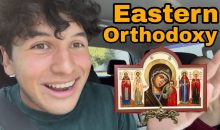
The Iconic Faith: Exploring the Role of Icons in Orthodox Christian Worship
Icons have been an integral part of Orthodox Christian worship for centuries, serving as windows to the divine and tools for spiritual growth. In this article, we will delve into the significance of icons in Orthodox Christian tradition, exploring their history, theology, and role in worship.
A Brief History of Icons
The use of icons in Christian worship dates back to the early centuries of Christianity. The word “icon” comes from the Greek word “eikōn,” meaning “image” or “likeness.” Initially, icons were used as a means of evangelism, helping to convey the message of Christianity to a largely illiterate population. Over time, however, icons became an essential element of Orthodox Christian worship, revered for their spiritual significance and beauty.

The Theology of Icons
In Orthodox Christian theology, icons are seen as more than just decorative objects or symbolic representations. They are believed to be a means of participating in the divine, a way of connecting with the heavenly realm. According to the Orthodox tradition, icons are not merely images of saints or biblical figures, but actual manifestations of their presence. This understanding is rooted in the concept of the “iconic” nature of Christ, who is seen as the ultimate icon of God the Father.
The veneration of icons is not considered worship, but rather a form of reverence and respect. Orthodox Christians believe that the honor shown to an icon passes on to the prototype it represents, whether that be Christ, the Virgin Mary, or a saint. This understanding is based on the biblical passage, “The honor shown to the image passes on to the one it represents” (Exodus 20:4-5).
Icons in Worship
Icons play a central role in Orthodox Christian worship, serving as a focal point for prayer, contemplation, and spiritual growth. In Orthodox churches, icons are typically placed on the iconostasis, a screen or wall that separates the nave from the altar. The iconostasis is adorned with icons of Christ, the Virgin Mary, and various saints, creating a visual representation of the heavenly kingdom.
During worship services, icons are often venerated through kissing, bowing, or making the sign of the cross. This physical act of reverence is seen as a way of expressing devotion and humility, acknowledging the presence of the divine in the icon. The use of icons in worship also serves as a reminder of the interconnectedness of the Church, linking the faithful to the broader community of saints and the heavenly realm.

Conclusion
In conclusion, icons are an integral part of Orthodox Christian worship, serving as a means of connecting with the divine and participating in the heavenly realm. Through their rich history, theology, and role in worship, icons continue to inspire and guide Orthodox Christians on their spiritual journey. Whether used in private devotion or public worship, icons remain a powerful symbol of the faith, inviting believers to contemplate the mysteries of God and to strive for a deeper understanding of the divine.