Infernal Icons: Exploring the Intersection of Black Metal and Orthodox Christianity
The intersection of black metal and Orthodox Christianity may seem like an unlikely pairing, given the former’s reputation for darkness and rebellion, and the latter’s emphasis on tradition and spirituality. However, a closer examination of the two reveals a complex and fascinating relationship, with many black metal musicians drawing inspiration from Orthodox Christianity’s rich cultural and spiritual heritage.
A Shared Aesthetic: The Beauty of Darkness
One of the primary areas of intersection between black metal and Orthodox Christianity is their shared aesthetic of darkness and introspection. Black metal’s emphasis on fast tempos, shrieking vocals, and distorted guitars creates a sonic landscape that is often described as dark, foreboding, and even mystical. Similarly, Orthodox Christianity’s emphasis on the mysteries of the faith, the importance of repentance, and the struggle against sin creates a spiritual landscape that is often characterized by a sense of darkness and struggle.
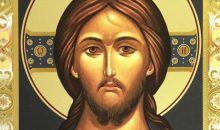
This shared aesthetic is reflected in the artwork and iconography of both black metal and Orthodox Christianity. Black metal albums often feature cover art that depicts dark, mystical landscapes, while Orthodox icons often portray saints and biblical figures in a style that is both beautiful and haunting. The use of dark colors, intricate details, and a sense of mystery and otherworldliness is common to both, creating a visual language that is both powerful and evocative.
Encountering the Divine: The Intersection of Music and Spirituality
For many black metal musicians, the creation of music is a deeply spiritual process, one that allows them to tap into the divine and express the inexpressible. This is reflected in the use of Orthodox Christian themes and imagery in black metal music, with many bands drawing inspiration from the liturgy, scriptures, and saints of the Orthodox Church. The use of Orthodox Christian themes and imagery in black metal music serves as a way of exploring the mysteries of the faith, and of expressing the deepest and most profound aspects of human experience.
At the same time, Orthodox Christianity’s emphasis on the importance of ritual and tradition provides a sense of structure and meaning that is often lacking in modern life. The liturgy, with its rich music, intricate rituals, and sense of community, provides a powerful antidote to the alienation and disconnection of modern society. For black metal musicians, the intersection of music and spirituality provides a way of accessing this sense of meaning and connection, and of expressing the deepest and most profound aspects of human experience.
Challenging the Status Quo: The Role of Black Metal in Orthodox Christianity
Despite the shared aesthetic and spiritual themes, the intersection of black metal and Orthodox Christianity is not without its challenges. Many within the Orthodox Church view black metal as a deeply problematic and even satanic genre, one that is antithetical to the values and principles of the faith. The use of occult and anti-Christian imagery in some black metal bands has led to accusations of Satanism and blasphemy, and has created a sense of tension and conflict between the two.
However, for many black metal musicians, the use of Orthodox Christian themes and imagery is not about promoting a particular ideology or agenda, but rather about exploring the complexities and nuances of human experience. By challenging the status quo and pushing the boundaries of what is considered acceptable, black metal musicians are able to create a sense of dialogue and debate, one that is essential for the growth and development of any spiritual tradition.
Conclusion: The Infernal Icons of Black Metal and Orthodox Christianity
In conclusion, the intersection of black metal and Orthodox Christianity is a complex and fascinating one, reflecting a shared aesthetic of darkness and introspection, and a deep sense of spirituality and meaning. While the relationship between the two is not without its challenges, it is clear that black metal musicians are drawn to the rich cultural and spiritual heritage of Orthodox Christianity, and that this intersection has given rise to some of the most powerful and evocative music of our time. As we continue to explore the mysteries of the faith, and the complexities of human experience, the infernal icons of black metal and Orthodox Christianity will remain a powerful and enduring symbol of the intersection of music, spirituality, and culture.