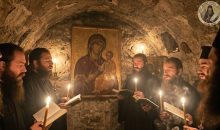
A Year of Faith: Exploring the Orthodox Christian Calendar – A general overview of the Orthodox Christian calendar and its significance.
The Orthodox Christian calendar is a rich and vibrant tapestry of feast days, fasts, and celebrations that guide the faithful through a year of spiritual growth and devotion. With its roots in ancient tradition, the Orthodox calendar is a unique and fascinating aspect of the Orthodox Christian faith, shaping the daily lives of millions of believers around the world.
Introduction to the Orthodox Christian Calendar
The Orthodox Christian calendar is based on the Julian calendar, which was introduced by Julius Caesar in 45 BCE. Although the Gregorian calendar, introduced in 1582 CE, is more widely used in the Western world, the Orthodox Church has retained the Julian calendar, which is now 13 days behind the Gregorian calendar. This difference in calendars means that many Orthodox feast days and celebrations fall on different dates than their Western Christian counterparts.
Major Feast Days and Celebrations
The Orthodox Christian calendar is filled with numerous feast days and celebrations, each with its own unique significance and traditions. Some of the most important feast days include:
- Christmas (December 25): The Nativity of Jesus Christ, a joyous celebration of the birth of Jesus.
- Theophany (January 6): The Baptism of Jesus Christ, commemorating the baptism of Jesus in the Jordan River.
- Great Lent (Variable dates): A 40-day period of fasting and repentance leading up to Pascha (Easter).
- Pascha (Variable dates): The Resurrection of Jesus Christ, the most important feast day in the Orthodox Christian calendar.
- Ascension (Variable dates): The Ascension of Jesus Christ, celebrating Jesus’ ascension into heaven.
- Pentecost (Variable dates): The Descent of the Holy Spirit, commemorating the giving of the Holy Spirit to the apostles.
Fasting and Abstinence
Fasting and abstinence are essential components of the Orthodox Christian calendar, allowing believers to focus on their spiritual growth and devotion. There are four major fasting periods throughout the year:
- Great Lent: A 40-day fast leading up to Pascha, during which believers abstain from meat, dairy, and other rich foods.
- Nativity Fast: A 40-day fast leading up to Christmas, during which believers abstain from meat and dairy products.
- Apostles’ Fast: A variable-length fast leading up to the Feast of Saints Peter and Paul, during which believers abstain from meat and dairy products.
- Dormition Fast: A 14-day fast leading up to the Feast of the Dormition of the Theotokos, during which believers abstain from meat and dairy products.
Conclusion
The Orthodox Christian calendar is a powerful tool for guiding believers through a year of spiritual growth and devotion. With its rich tapestry of feast days, fasts, and celebrations, the Orthodox calendar provides a unique and meaningful way for believers to connect with their faith and deepen their relationship with God. Whether you are an Orthodox Christian or simply interested in learning more about this ancient and vibrant tradition, the Orthodox Christian calendar is sure to inspire and enrich your spiritual journey.